:2026-03-13 18:27 点击:26
什么是“可挖矿虚拟货币”?
“可挖矿虚拟货币”(Mineable Cryptocurrency) refers to digital currencies that can be generated through a process called “mining.” Unlike non-mineable coins (e.g., Ripple’s XRP, which are pre-mined), mineable coins rely on decentralized networks of participants (miners) to validate transactions and create new coins. Miners use specialized hardware (e.g., ASICs for Bitcoin, GPUs for Ethereum pre-merge) to solve complex mathematical puzzles, and the first to solve the puzzle gets rewarded with new coins and transaction fees.
This process is central to the security and functionality of blockchain networks like Bitcoin, Litecoin, and Monero. It ensures no single entity controls the currency, aligning with the core ethos of decentralization.
为什么“可挖矿”依然具有吸引力?
-
Decentralization and Trust
Mining eliminates the need for central authorities (e.g., banks or governments) to issue or verify currency. Instead, trust is placed in the consensus mechanism (Proof of Work, PoW), where miners compete to validate transactions honestly. If a miner acts maliciously, the rest of the network rejects their invalid blocks, making the system resistant to fraud. -
Potential Rewards
For miners, the primary incentive is the block reward (new coins issued) plus transaction fees. Early Bitcoin miners, for example, accumulated coins at a low cost, reaping massive returns as the price surged. Even today, mining can be profitable if the coin’s value, mining efficiency, and electricity costs align. -
Community and Ecosystem Growth
Mineable coins often foster strong communities. Miners, developers, and users collaborate to improve the network (e.g., Bitcoin’s periodic upgrades). This grassroots engagement can drive innovation and long-term value.
主流“可挖矿虚拟货币”案例
- Bitcoin (BTC): The first and most well-known mineable coin, using PoW. It is often called “digital gold” due to its scarcity (21 million cap) and status as a store of value.
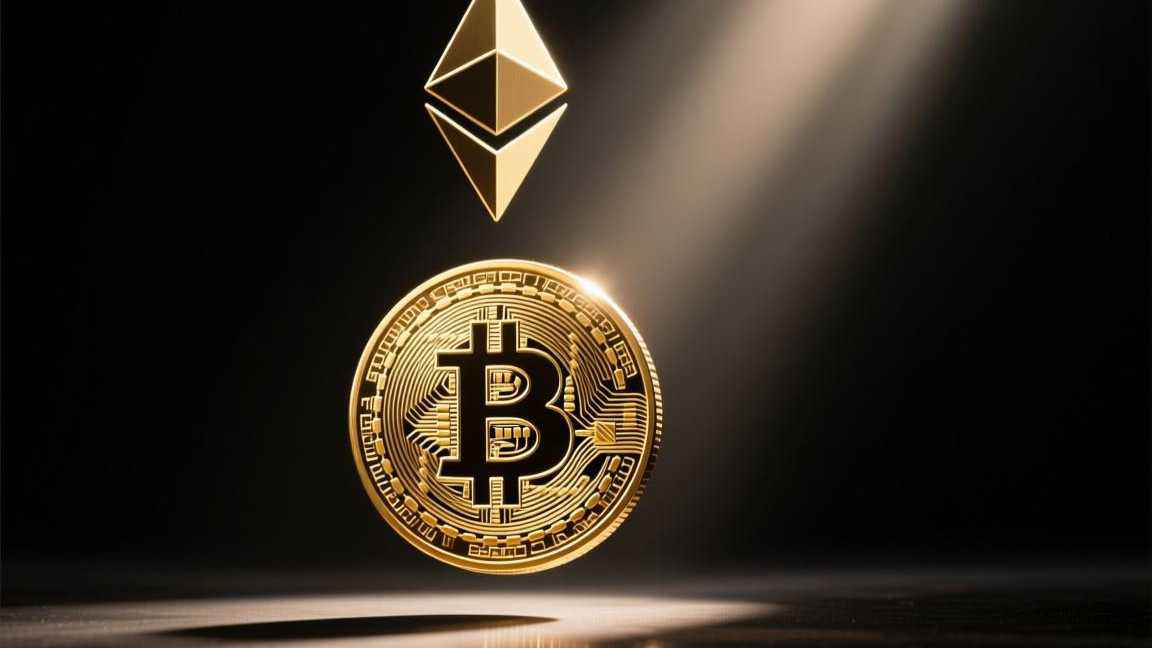
- Ethereum (ETH): Before transitioning to Proof of Stake (PoS) in 2022, ETH was mineable via GPUs. Its merge reduced energy consumption but shifted rewards to stakers.
- Litecoin (LTC): Created as a “lighter” version of Bitcoin, with faster block times (2.5 minutes vs. Bitcoin’s 10 minutes) and a higher supply cap (84 million coins).
- Monero (XMR): Focuses on privacy and fungibility, using CryptoNote technology to obscure transaction details. It remains mineable with consumer-grade GPUs, promoting decentralization.
挖矿的挑战与风险
-
High Costs and Barriers to Entry
Mining requires significant upfront investment in hardware (e.g., an ASIC miner can cost thousands of dollars) and ongoing electricity costs. Small-scale miners often struggle to compete with large “mining farms” that benefit from bulk discounts on power and hardware. -
Environmental Concerns
PoW mining is energy-intensive. Bitcoin’s annual energy consumption, for instance, rivals that of some small countries. This has led to criticism of its carbon footprint, though miners are increasingly shifting to renewable energy sources. -
Market Volatility
The profitability of mining depends heavily on the coin’s price. A sharp drop in value can turn profitable mining operations into losses, especially for miners with high fixed costs. -
Regulatory Uncertainty
Governments worldwide are cracking down on mining due to environmental and financial risks. For example, China banned crypto mining in 2021, disrupting global supply chains. Regulatory changes can quickly render mining illegal or uneconomical in certain regions.
挖矿的未来:从PoW to Alternatives
While PoW remains the most established mining method, newer consensus mechanisms like Proof of Stake (PoS) and Proof of Work (PoH) are gaining traction. PoS, used by Ethereum post-merge, eliminates energy-intensive mining by allowing users to “stake” their coins to validate transactions. This reduces costs and environmental impact but centralizes power to larger stakeholders.
For mineable coins, the future may lie in balancing decentralization with sustainability. Projects like Green Bitcoin (an eco-friendly PoW coin) or merged mining (where miners secure two blockchains simultaneously, e.g., Namecoin and Bitcoin) are exploring solutions to make mining more efficient and accessible.
理性看待“数字淘金热”
“可挖矿 virtual currency” represents a fascinating intersection of technology, economics, and human ambition. It offers opportunities for financial rewards and decentralized innovation but is fraught with risks—from high costs to regulatory crackdowns. For those interested in mining, thorough research, realistic cost analysis, and awareness of environmental impact are crucial.
As the crypto landscape evolves, mining may no longer be the “get rich quick” scheme it once was, but it remains a vital component of blockchain ecosystems. Whether you’re a miner, investor, or observer, understanding the dynamics of mineable coins is key to navigating the future of digital currency.
本文由用户投稿上传,若侵权请提供版权资料并联系删除!